Access anywhere, anytime: Nuclear power, Ice Camp, and Rickover’s enduring standard of excellence
April 28, 2026, 7:08AMNuclear NewsAdmiral William Houston

Admiral William Houston

As U.S. Navy submarines surface through Arctic ice during Ice Camp 2026, they demonstrate more than operational proficiency in one of the harshest environments on Earth. They reaffirm a technological truth first proven in August 1958, when the USS Nautilus completed its submerged transit of the North Pole: nuclear power enables access anywhere, anytime.

The Arctic is unforgiving, with vast distances, extreme cold, shifting ice, and no logistical infrastructure. Conventional propulsion is constrained by fuel, air, and endurance. Nuclear propulsion removes those constraints. Only a nuclear-powered submarine can operate anywhere in the world’s oceans, including under the polar ice, undetected and at maximum capability for extended periods. Nuclear power provides sustained high speed and the endurance to reposition across the globe without refueling.
DOE-EM sees nearly $2M in savings in naval reactor D&D recycling

September 12, 2025, 10:03AMNuclear News
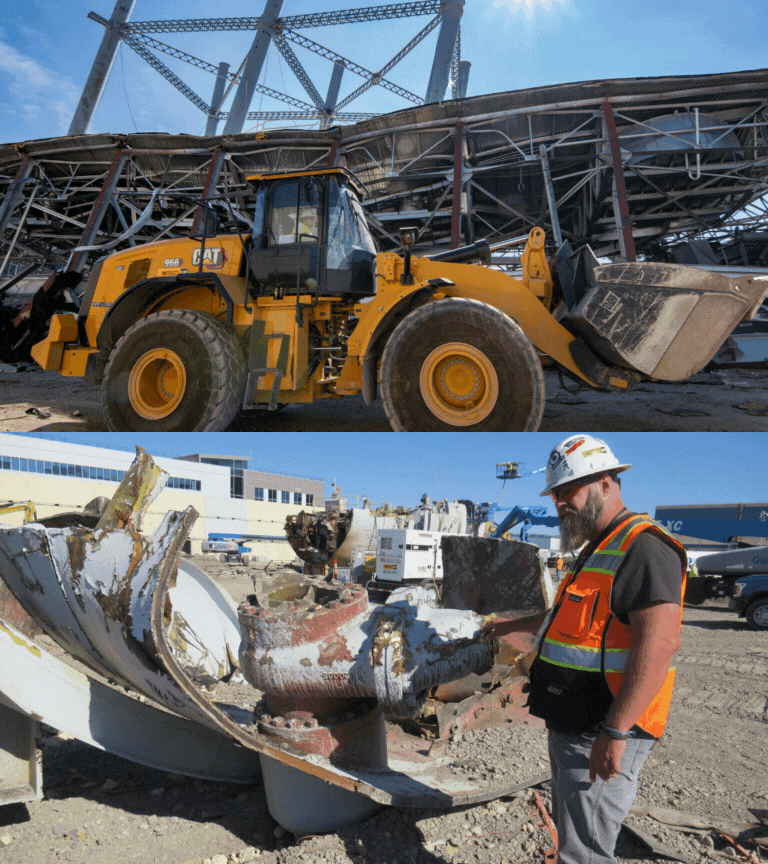
Idaho Cleanup Project crews separate noncontaminated metal for recycling at INL’s Naval Reactors Facility. (Photos: DOE)

The Department of Energy’s Office of Environmental Management said the Idaho Cleanup Project (ICP) has recycled more than 2,100 tons of noncontaminated metal debris since 2022 as it works to demolish three legacy Naval Nuclear Propulsion Program prototypes at the Idaho National Laboratory Site, saving taxpayers nearly $2 million in disposal costs while advancing the project’s environmental goals.

Frank Augustine—ANS member since 1983

July 12, 2024, 9:30AMNuclear News

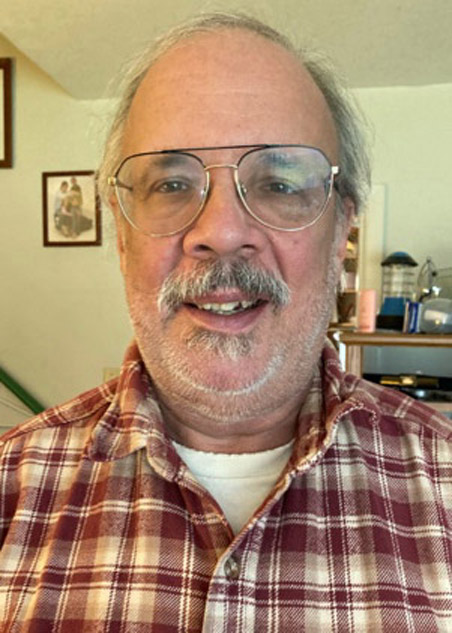
Augustine today, at home.

Augustine in 1991, during his years at Knolls Atomic Power Laboratory.

We welcome ANS members who have careered in the community to submit their own Nuclear Legacy stories, so that the personal history of nuclear power can be captured. For information on submitting your stories, contact nucnews@ans.org.

In college I started in physics, but in 1977, during my sophomore year, I decided to pick a more practical major: nuclear engineering. Like many young people, I wanted to make the world a better place.

During my junior year, the Three Mile Island accident occurred. Many of us in nuclear engineering wondered whether we had chosen the wrong major, but our professors assured us there was a future in nuclear power. It seemed at the time a common-sense solution to the predicted shortages of oil and gas, and it was far safer than coal. I stayed the course and ended up getting my bachelor’s and master’s degrees in nuclear engineering.